Digital ministry for churches: how one church turns a sermon into a week
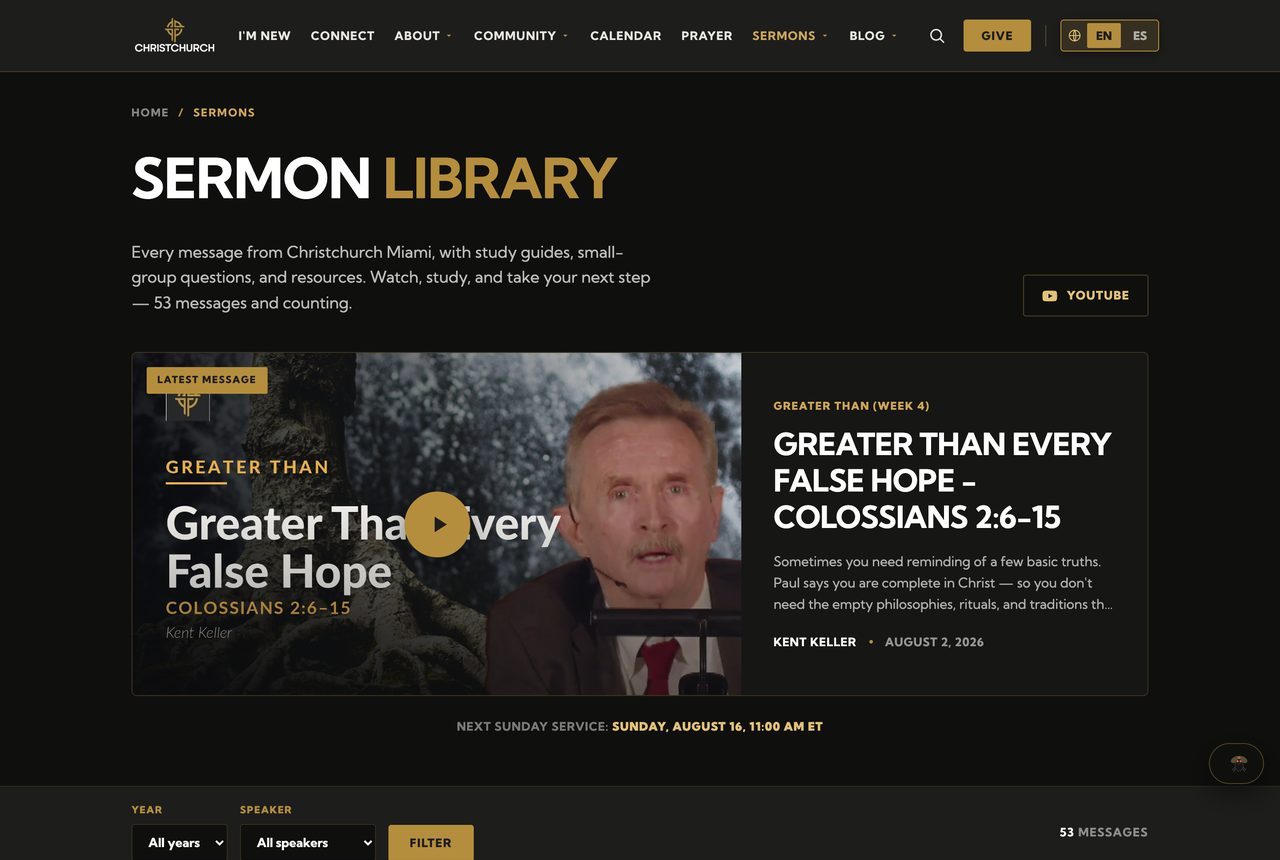
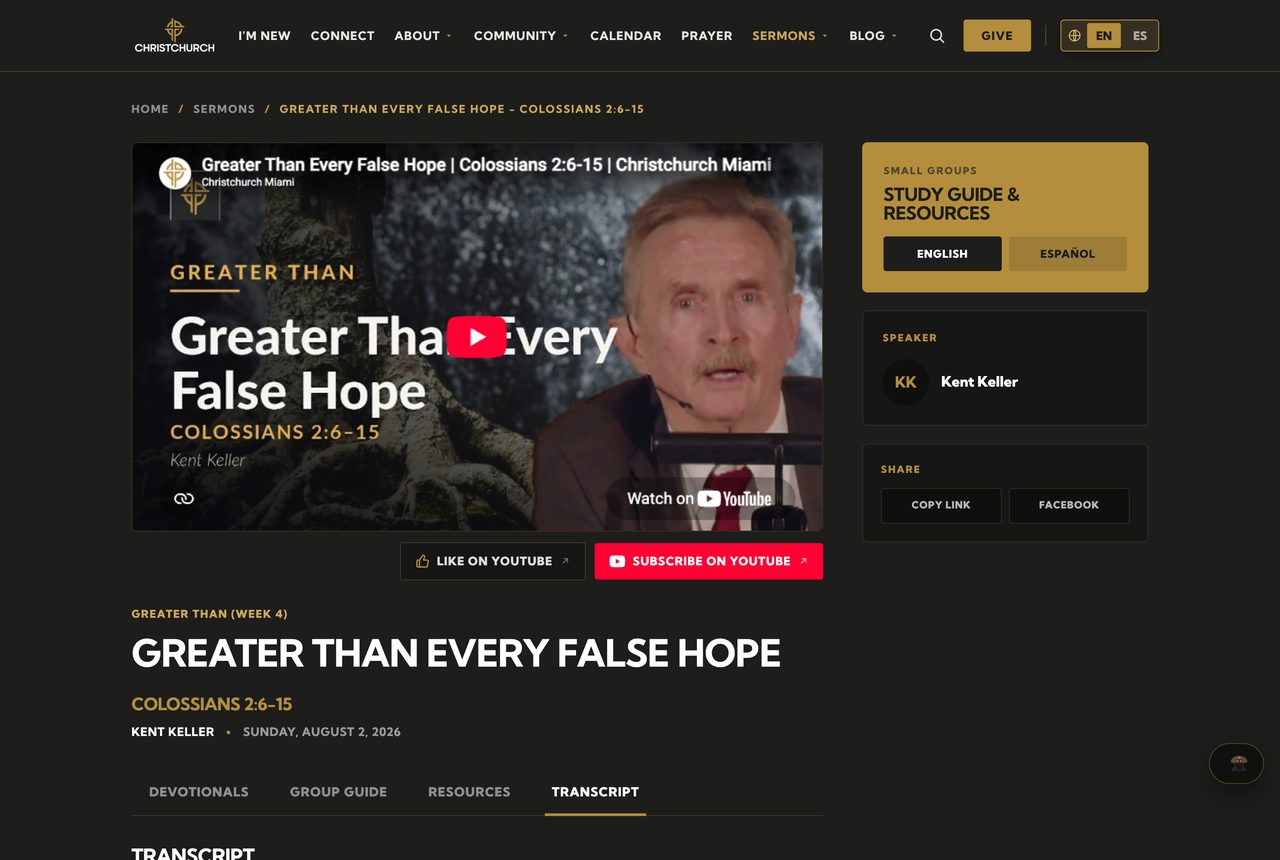
One sermon in. A week of discipleship out. Christchurch Miami runs
200–300 on a Sunday. Every week one message becomes 17 published pages in
English and Spanish, plus over forty graphics — all on their own domain.
What it took
No new staff. One part-time contractor.Both languages, every week, from week one.Built custom — yours would be too.
“this is the first one of these I have actually believed”
christchurchmiami.org
1sermonThe only thing a person writes.
2languagesAdapted, not machine-translated.
17published pagesEvery single week.
40+ social & videoInstagram, shorts, YouTube — and rising.
“wait — our size? then we could actually do this”
This is not a content strategy. It is an evangelism-to-discipleship pathway that a church of two to three hundred can actually manage.
The arc · two edges, two jobs
The website reaches the curious. The app carries them.
Both are custom built for the church and designed to work together — one
physical-and-digital discipleship process rather than two products bolted side by side.
The shape adapts to what a church actually wants; the pathway is the part that stays.
The website is what someone finds. The app is what carries a person from having
found the church to being formed by it — Scripture, a devotional, time in prayer,
then a private journal, or an invitation to read alongside someone who knows them.
E Evangelism
Website and social
Reaches people who are curious about the church. Search and social carry them in —
someone finds a transcript on a Tuesday, not a service on a Sunday.
“a transcript on a Tuesday. that is a person we would never have met”
“someone could get to know us for a month before they walk in”
Someone who has never met this church can read a transcript, watch the whole
service, or start a devotional — in either language — before they ever decide
whether to visit. Not a service time and a map. A library.
D Discipleship
The mobile app
Carries the people who came into daily formation. Eight minutes a day — Scripture, a
devotional, time in prayer — alone, or with a mentor invited in.
“eight minutes is a number my people would actually say yes to”
One sermon · 17 pages
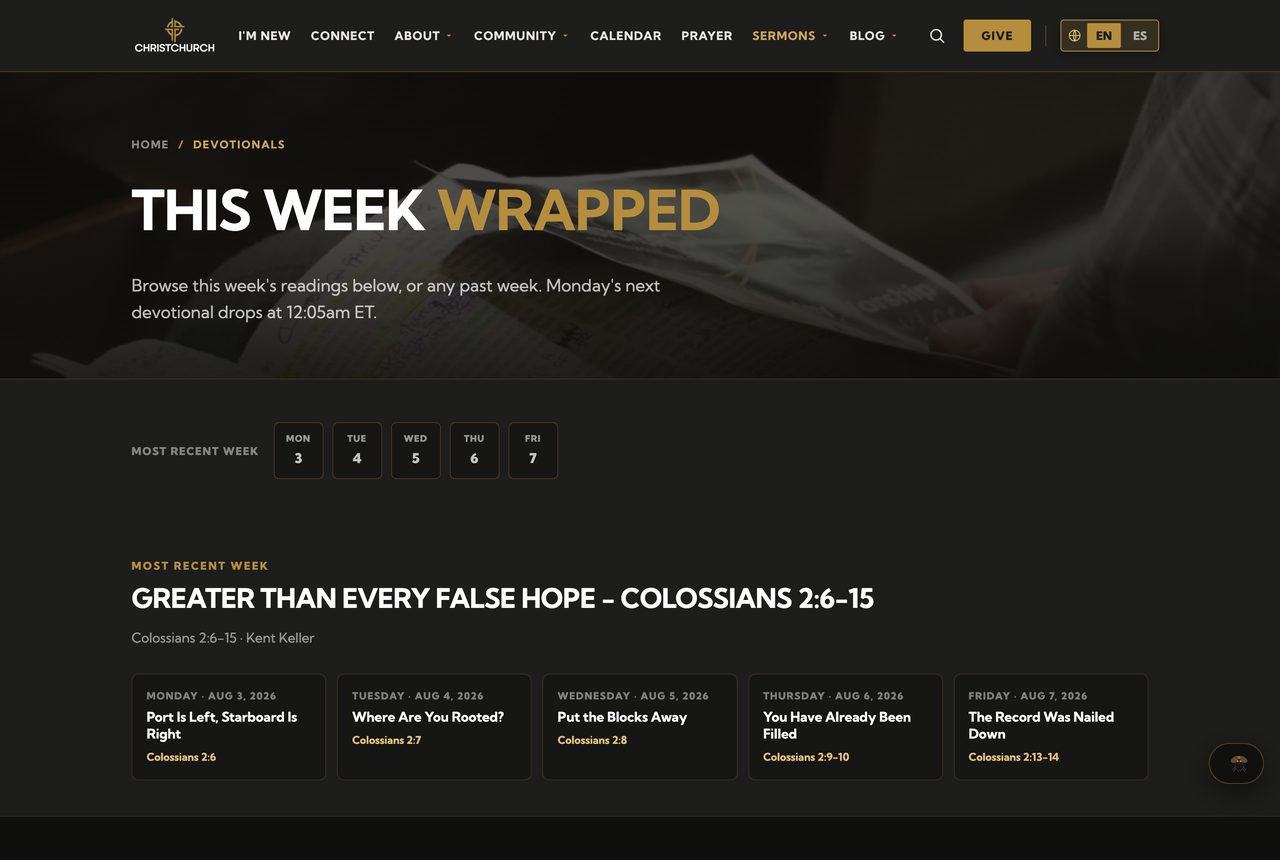
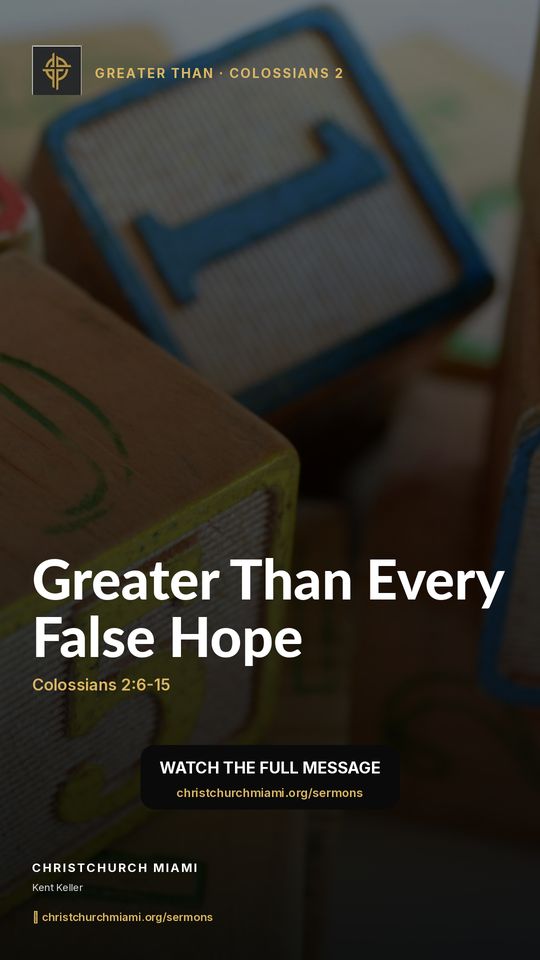
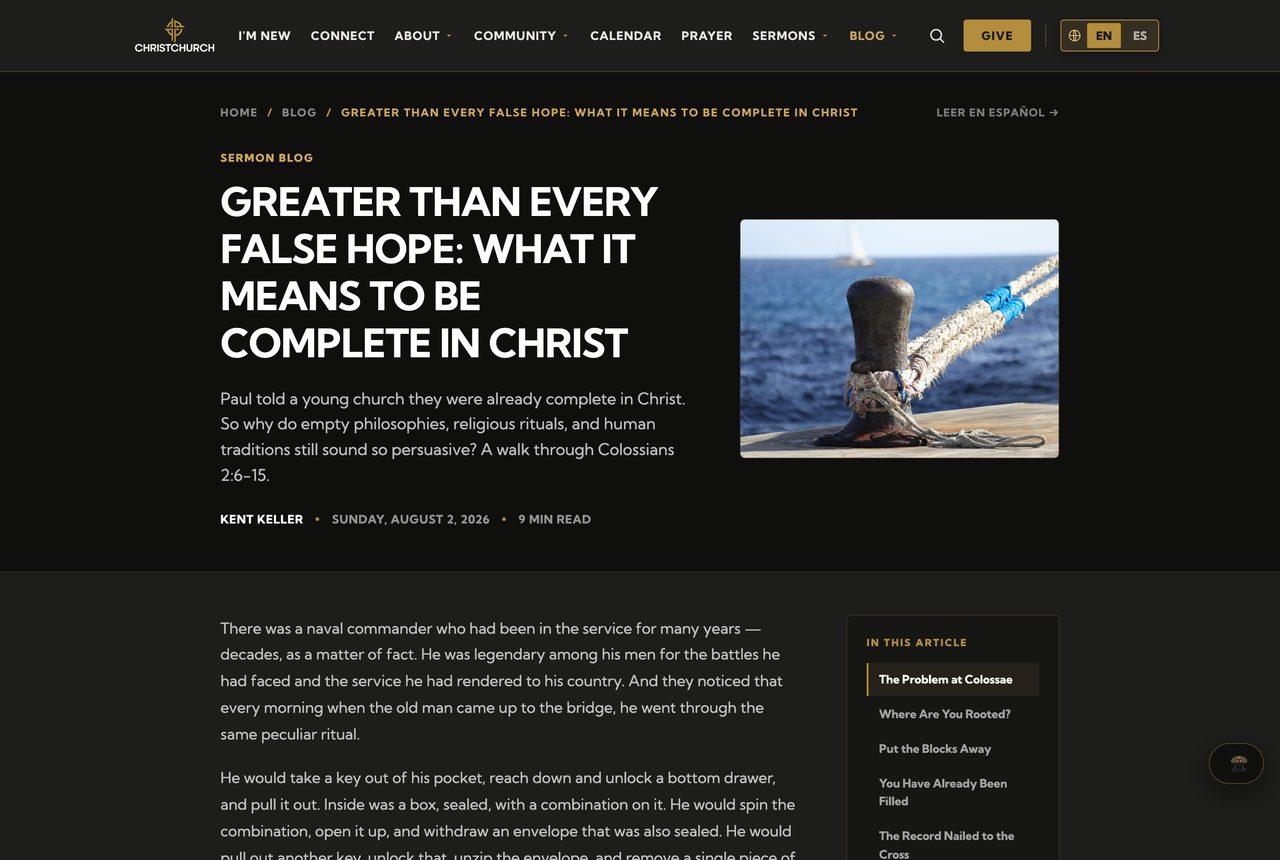
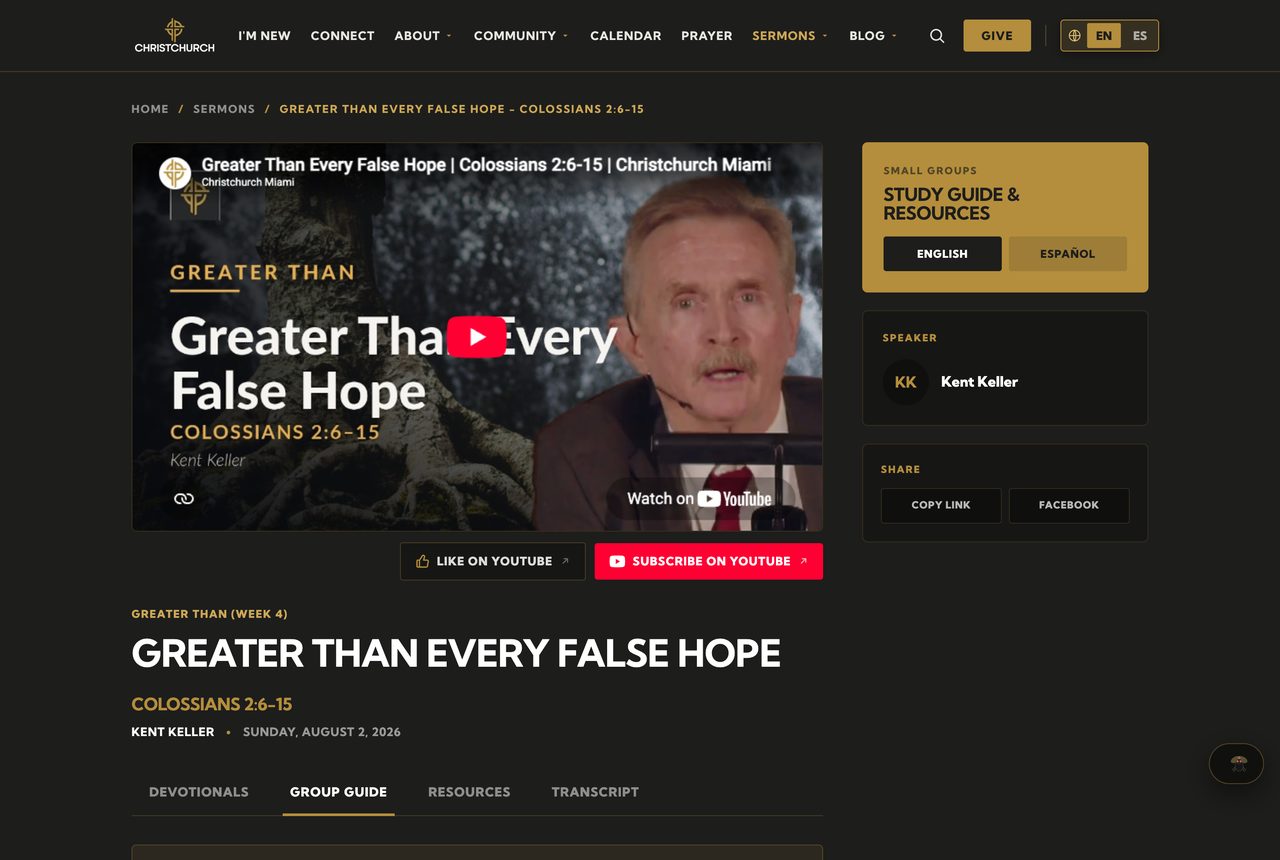
Nine pages in English. Eight of them again in Spanish.
Six of those are the daily devotional — Monday through Saturday, with Saturday preparing
the room for Sunday — published as one page you return to each morning. Sixteen of the
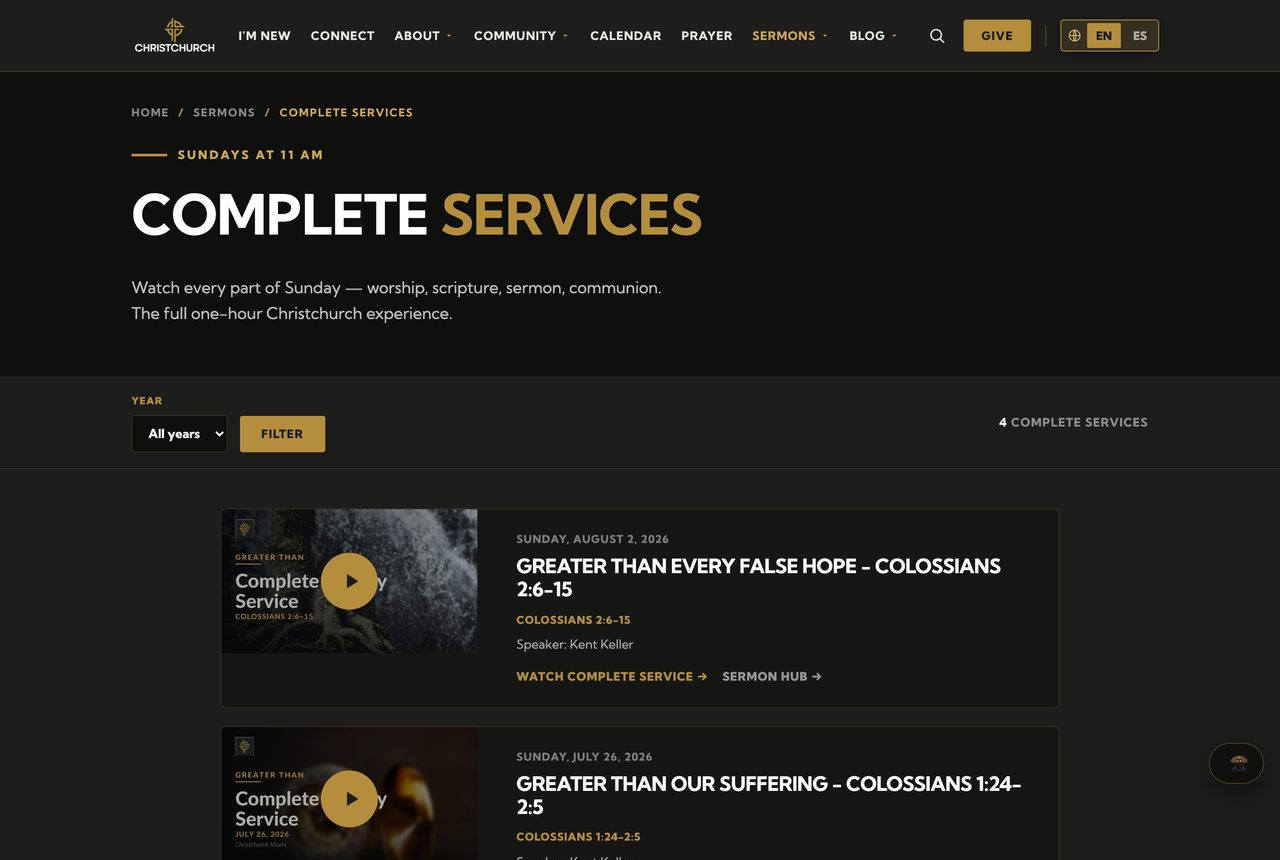
seventeen are mirrored in Spanish; the one that is not is the complete-service video,
because that is the English gathering. Counted from the church's own sitemap, not
estimated, and counted on two consecutive weeks rather than one — a second week
is what proves it is a system rather than one good Monday. This is the number to put in
front of a skeptic.
“Saturday preparing the room for Sunday — I want that one immediately”
“two weeks in a row is what convinced me this was not a stunt”
What there was before
Christchurch Miami did not exist. It began when a new work merged with a Legacy Church
that had built decades of faithfulness and a small digital footprint. The Instagram
account was at zero. The YouTube channel had a hundred and twenty subscribers.
Everything below was built from there, in under a year.
“I would be the one running this. could I actually keep up?”
Instagram
0 → 1,138
Followers, from a standing start this year.
YouTube
120 → 356
Subscribers — nearly triple, in under twelve months.
Who is watching
40% boomer+
Of live viewers — many unable to attend in person.
It is the one nobody predicts. A surprising number of the church's older members have
adapted to the digital resources faster than anyone expected — not as a substitute for
the room, but because age, health or distance had already taken the room away from them.
“forty percent boomers? that is not the demographic I expected”
Sunday One sermon
English · 9 pages
Español · 8 páginas
Hover or tap any page above.
17 pages a week.884 a year,
from fifty-two sermons — every one of them still live, still searchable, still working.
“two weeks in a row is what convinced me this was not a stunt”
The social layer
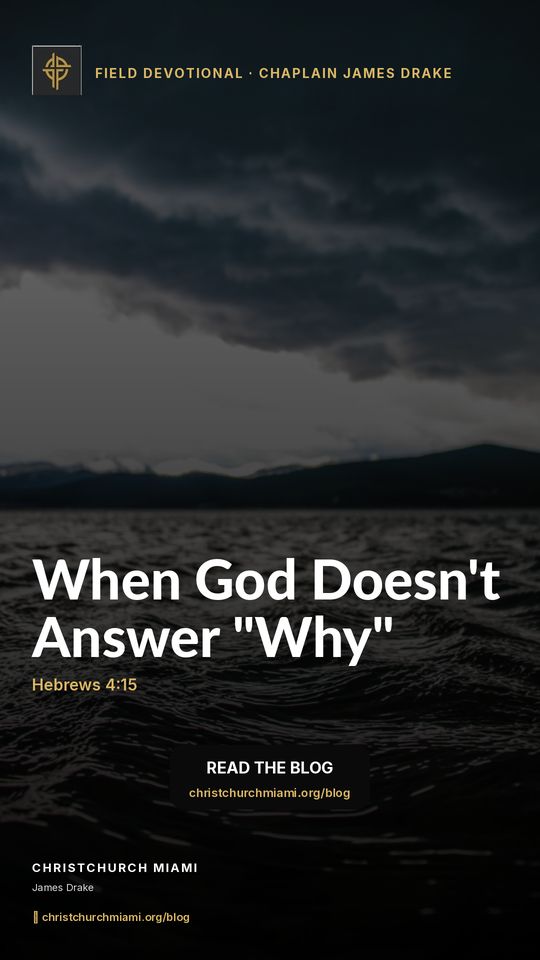
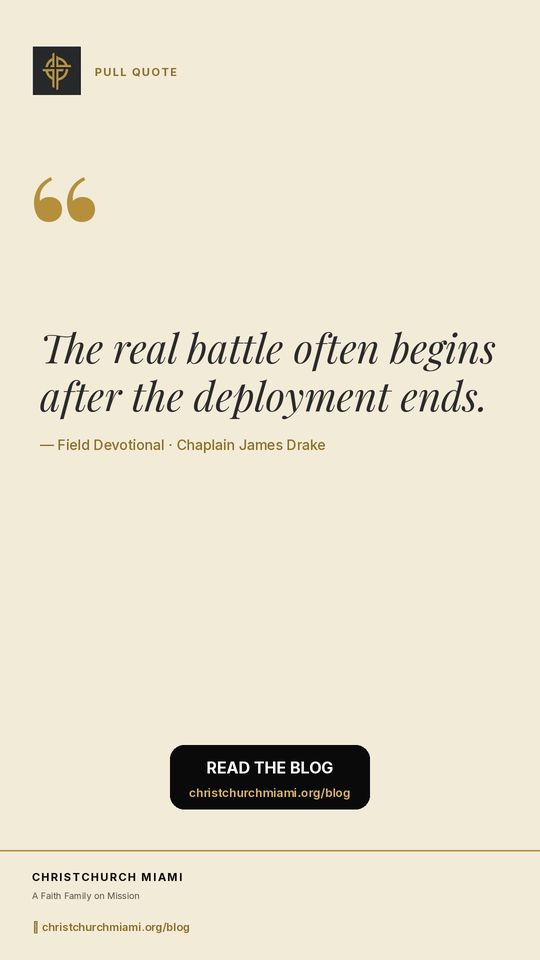
Over forty pieces of media, every week.
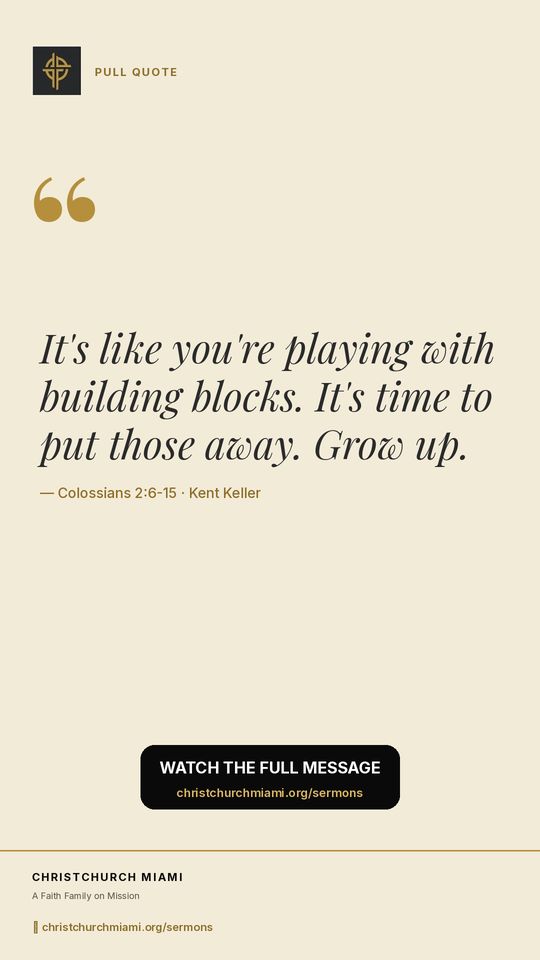
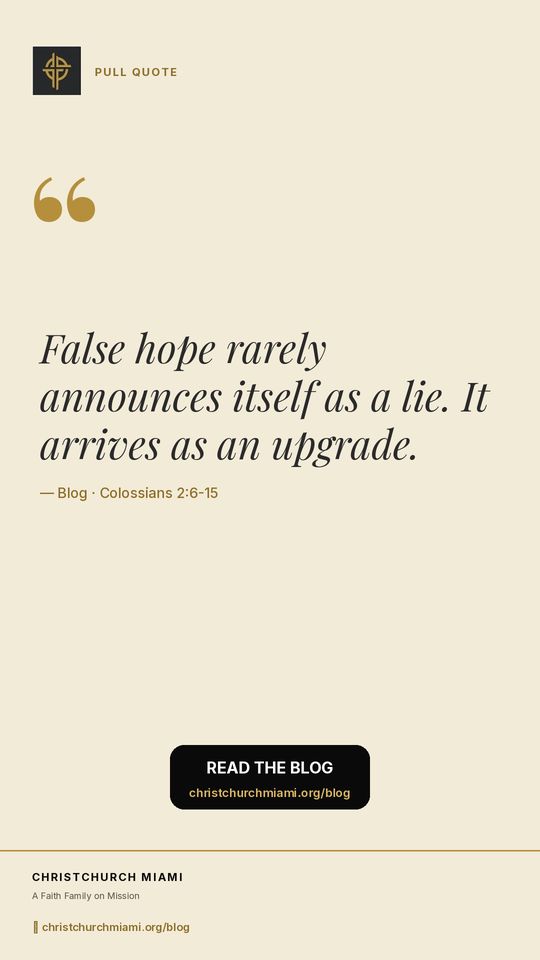
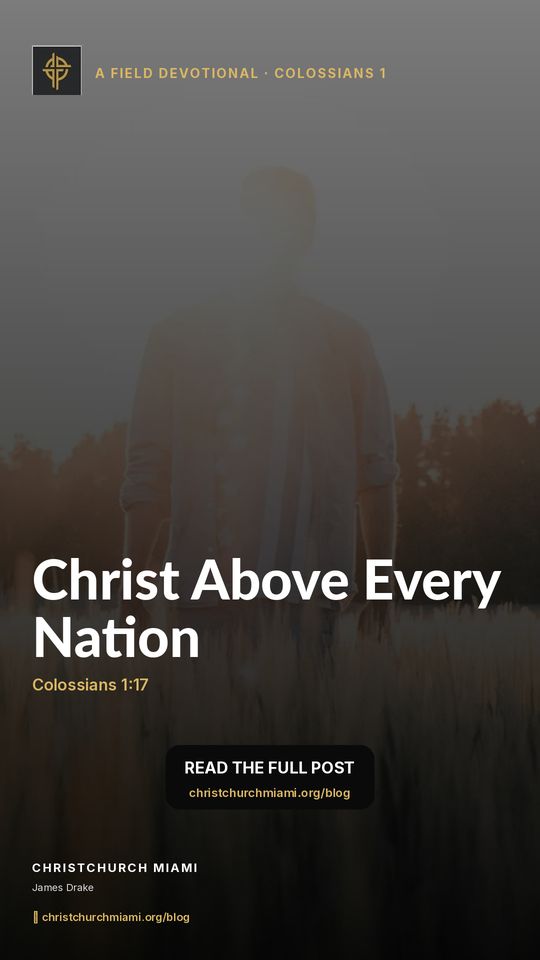
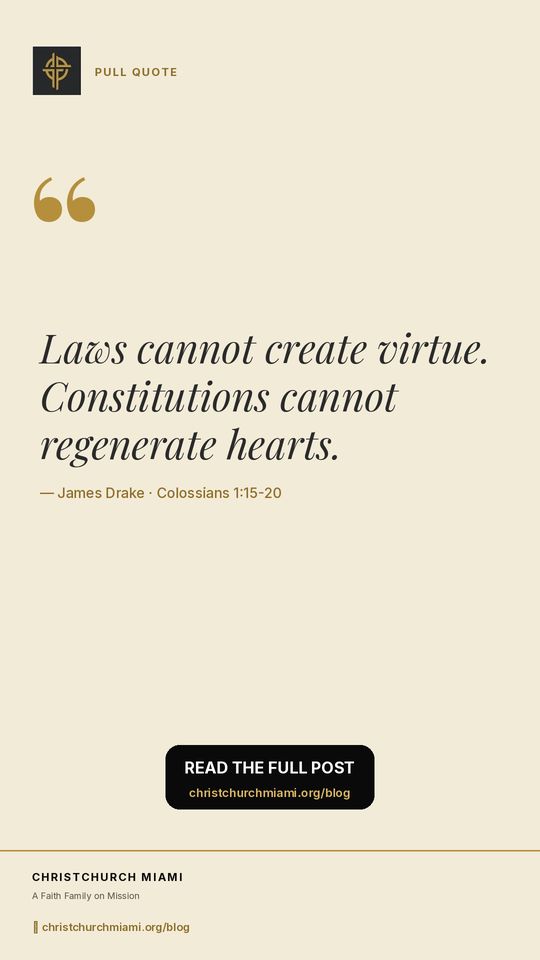
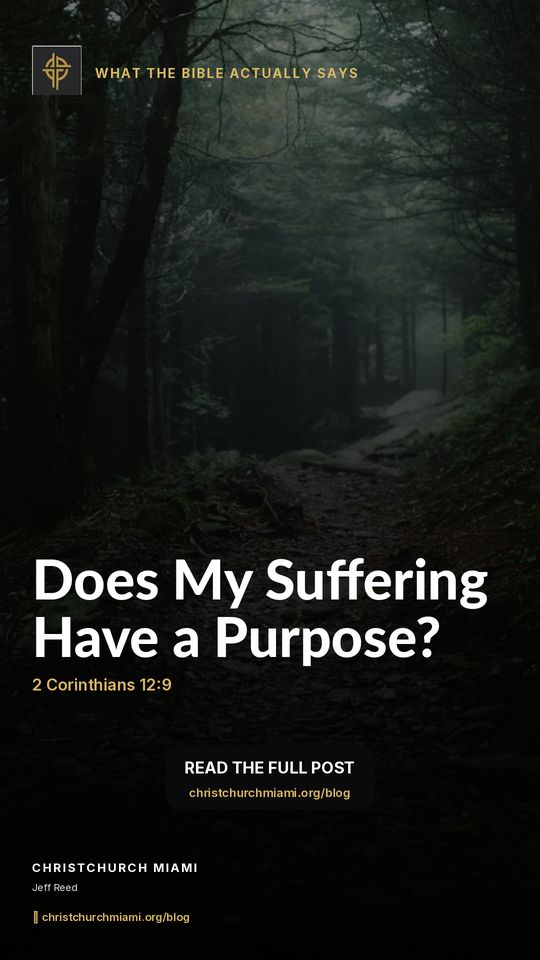
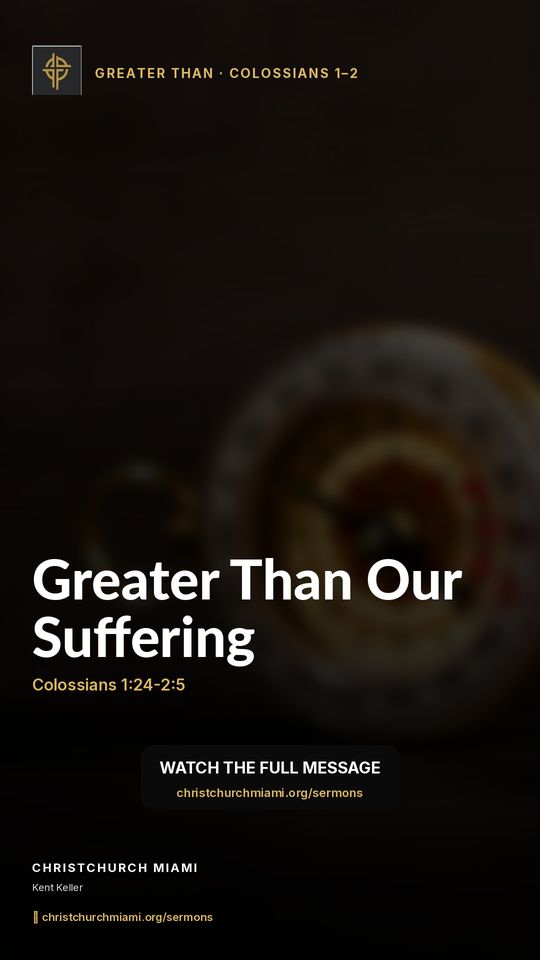
Forty-odd graphics a week, all from the same sermon. Pull quotes, verse cards, story
frames and shorts — generated from the message rather than assembled by hand on a
Thursday night. That is
2,080
custom graphics a year, at forty a week — none of them stock, all of them from your own
pulpit.
Roughly forty to fifty graphics a week on top of the pages, and rising — the church's
Facebook and the lead pastor's own account are moving onto the same pipeline next.
“we could not make forty of anything in a week”
“our comms volunteer would weep with relief”
The condensed cut
For the person who will never press play on forty minutes.
The same message, cut to about eleven minutes, met where someone’s attention actually is.
It is not a teaser for the full sermon — it is the sermon, for a different person.
“oh, this is for the people who never make it to the end”
You already do — every clip your church has ever posted is a cut.
You already do this
Every clip your church has ever posted is a cut. This one is made on purpose, by the
same system that made the transcript — and its runtime is read from the data, not
typed, so it stays true when the length changes.
“eleven minutes is the length of my drive to work”
11minutesAgainst a forty-minute sermon. Same message, different person.
The writing
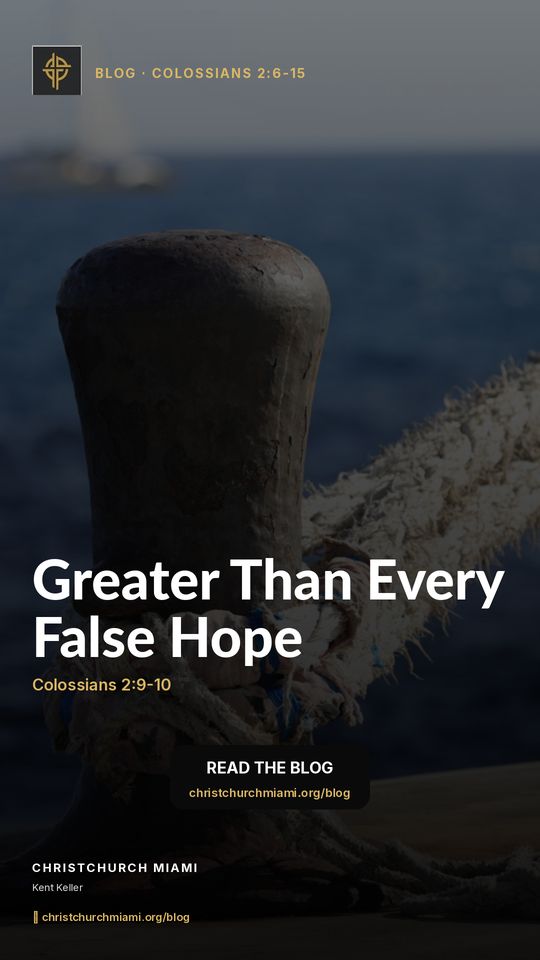
One sermon becomes two blog posts, in two different voices.
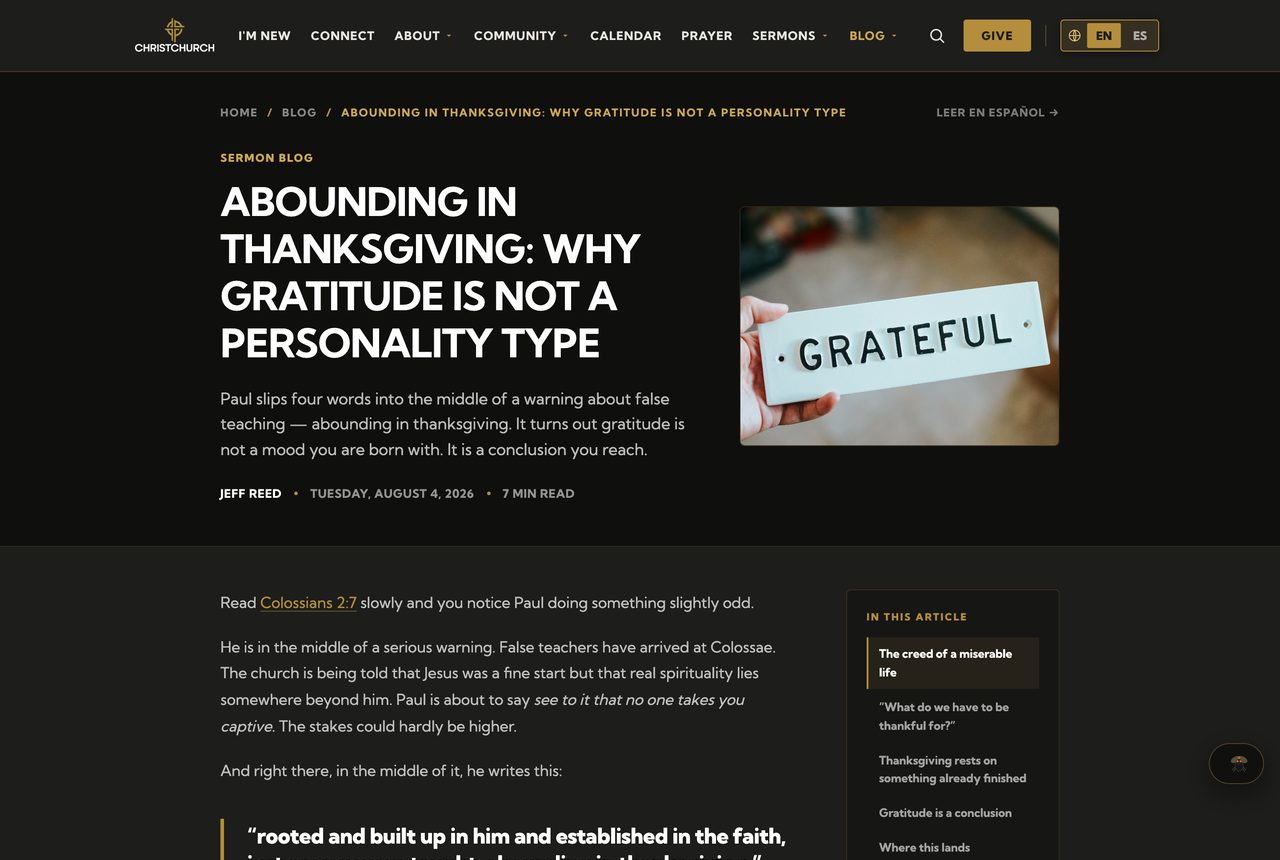
The sermon is preached once. It becomes one blog post written in the pastor's voice, and a
second written in the church's. Two distinct registers, held consistently week after week —
and the devotionals run in two more, Pastor James and Pastor Kent.
Voice is per-person here, not per-brand.
Four distinct human voices, held consistently across hundreds of pages. Most churches
cannot staff that. This is the answer to “AI content is soulless”:
the soul was never in the typing — it is in the sermon, and in the people
whose voices these are.
“our pastor would never let anything go out that did not sound like him. this solves that”
The pastor's voice — the sermon as an essay.The church's voice — one idea, a different register.
“four voices. it still sounds like actual people”
The payload
Every sermon lands with four routes into a real conversation.
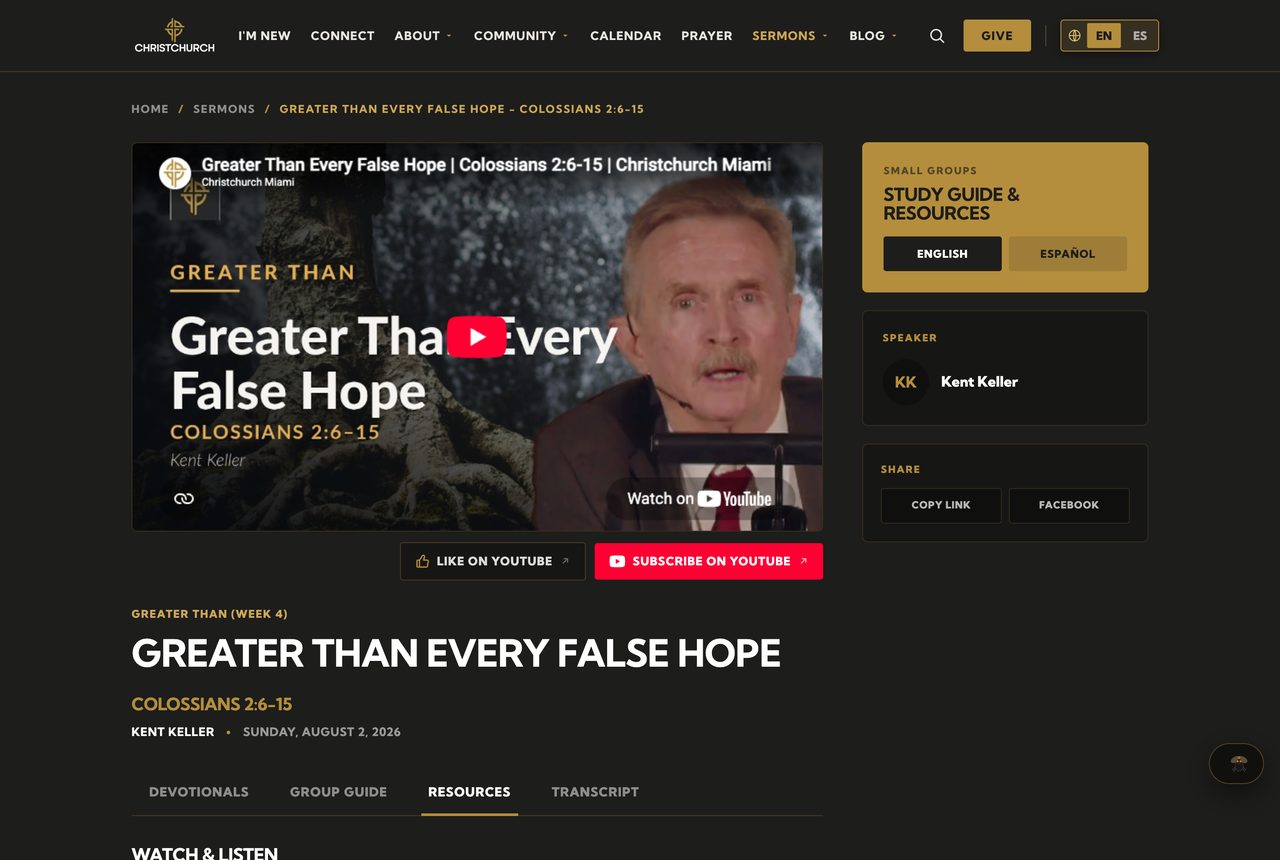
Small-group questions a leader opens instead of writing. Resources for going deeper. The
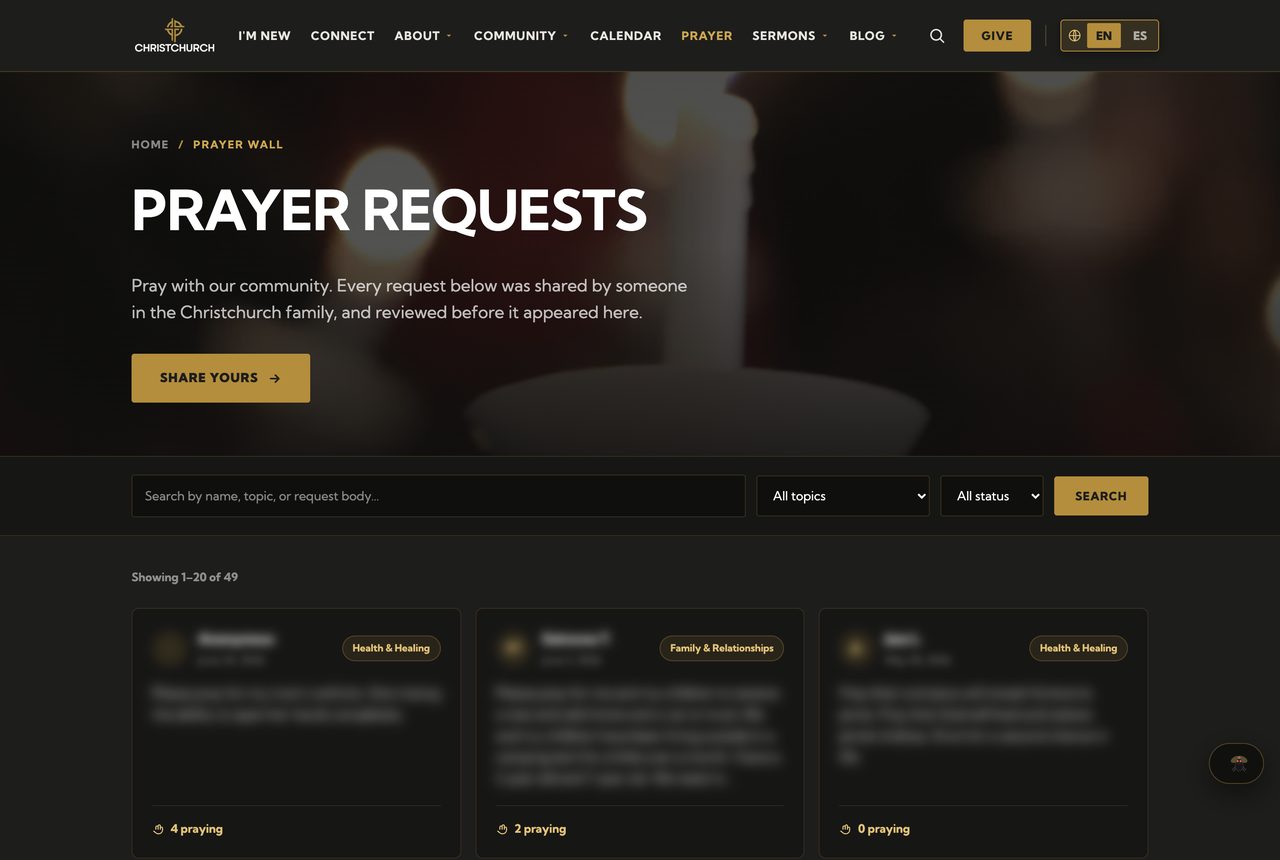
full transcript. And the prayer wall, where the church prays for each other by name.
This is the half that answers “online replaces showing up.” The group questions exist so a
room of people can sit with the same passage on a Wednesday — Sunday's questions land in
the group that meets on Tuesday.
“group questions written from Sunday. our leaders would stop guessing”
Pastoral care, visible in the system. A prayer wall with a moderation
promise, a category for loss, and a state for answered prayer. “Nothing here leaves the
church.” The argument was never in any individual request — it is in the structure.
Someone decided that a person asking for prayer at two in the morning should reach a human
being, and the design says so on the screen.
We have blurred the requests here: those people shared them with their church, which is
not the same as agreeing to appear on ours. Real ones are never used in marketing.
“my Thursday nights are the thing this gives back”
Correct — and they do not. The sermon is the only thing a person writes. Everything
downstream of it is a pipeline built for this church, and it runs whether or not anyone
has a spare afternoon.
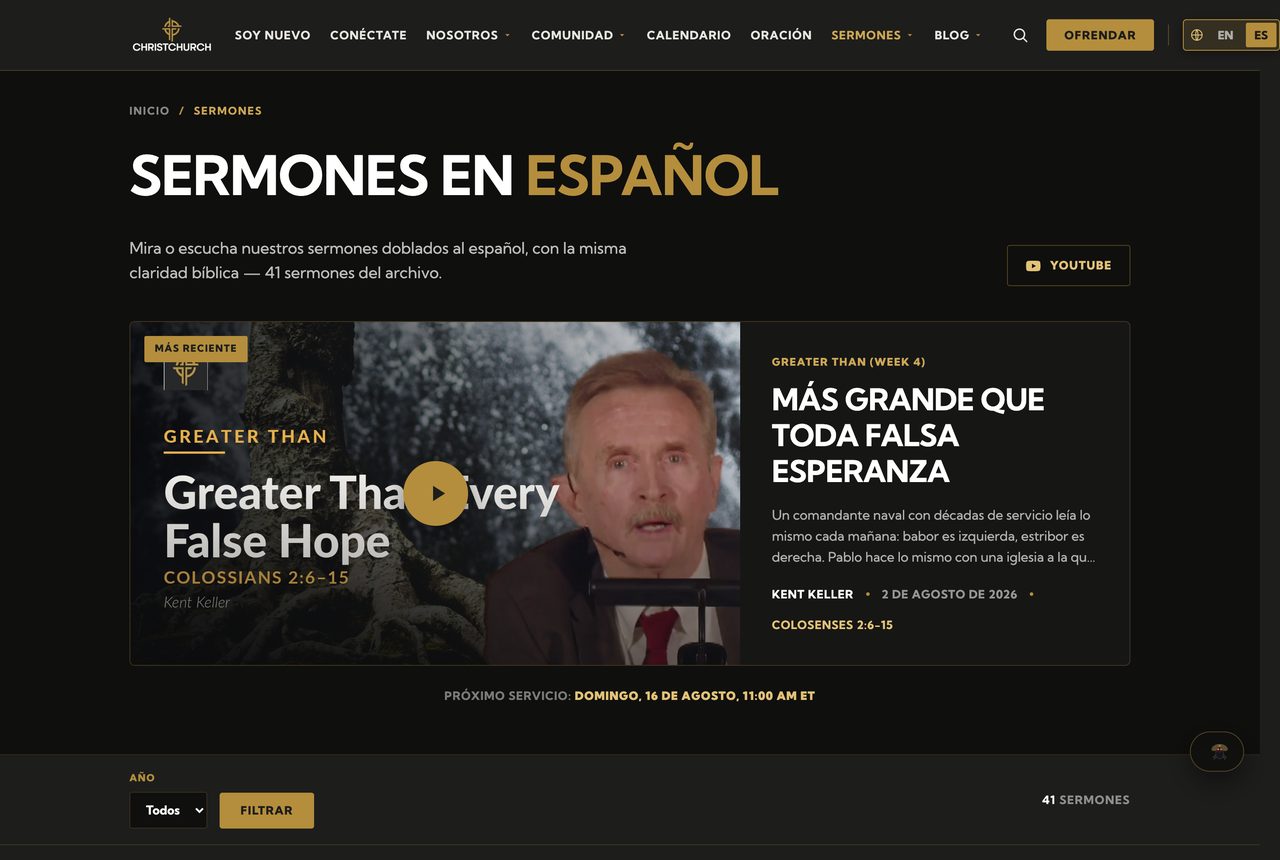
Both languages
Not a translate button. A second congregation.
Sixteen of the seventeen pages ship in Spanish the same week — adapted, not
machine-translated, in the Cuban-Miami Spanish this congregation actually speaks. For a
bilingual church this is usually the thing that does not get done, because it reads as
doubling the work. Here it is the same pipeline.
/es/sermones — the full Spanish mirrorThe complete service — the one English-only page
The other half · discipleship
Eight minutes a day. Alone, or with someone who knows you.
The website reaches people who are curious. The app carries the ones who came. It is not
the website on a phone — it is a different job: a daily rhythm, in the same two languages,
built on the same sermon. Every screen below is the real app, not a mockup.
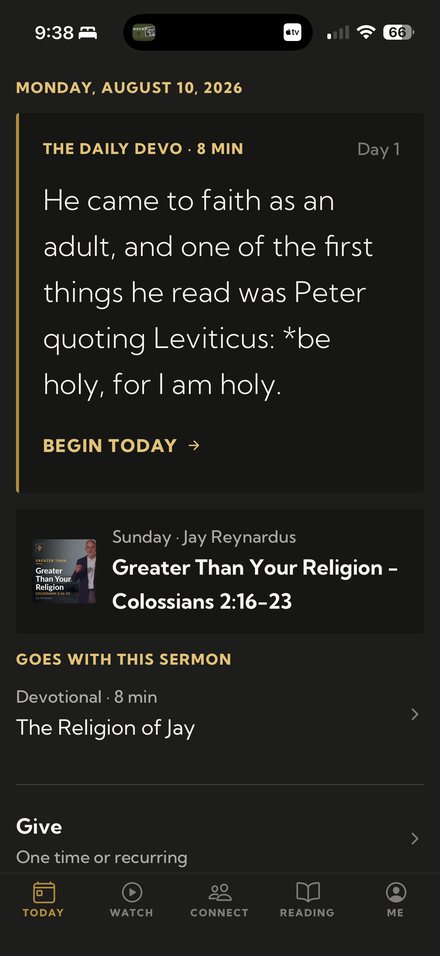
TodayOne screen: the day’s devotional, the sermon behind it, and the next step. The tie back to Sunday is the whole idea.
“this is the part I did not know I was missing”
“eight minutes is a number my people would actually say yes to”
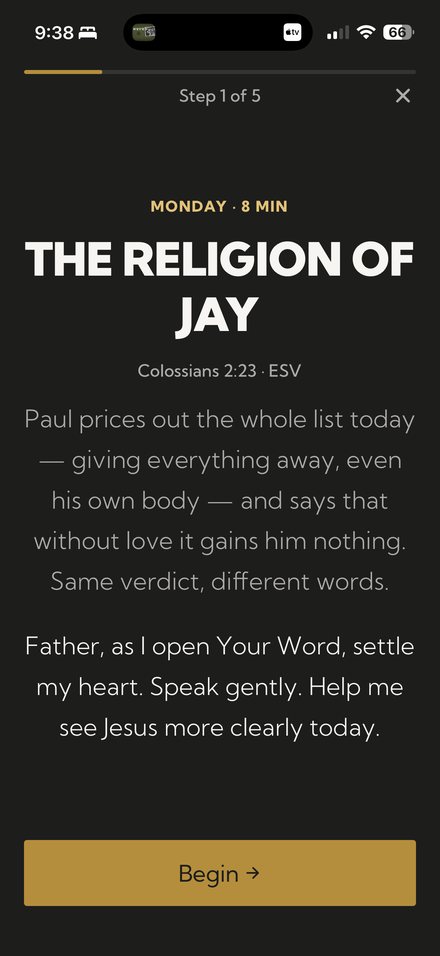
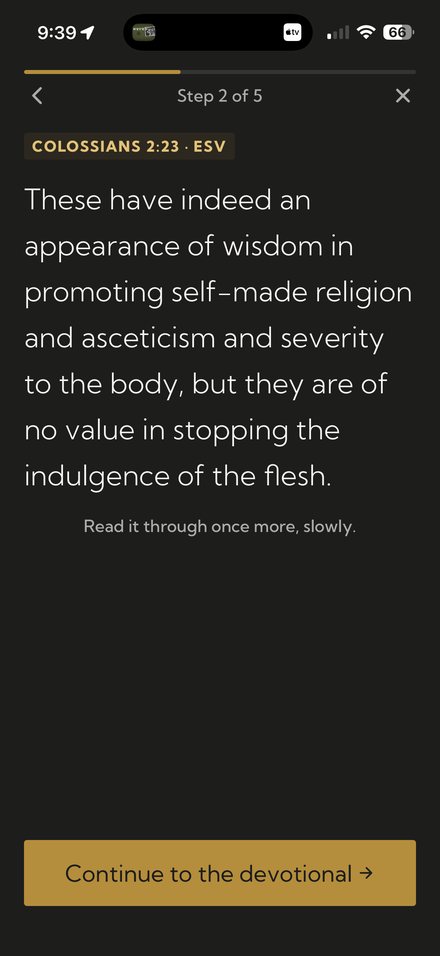
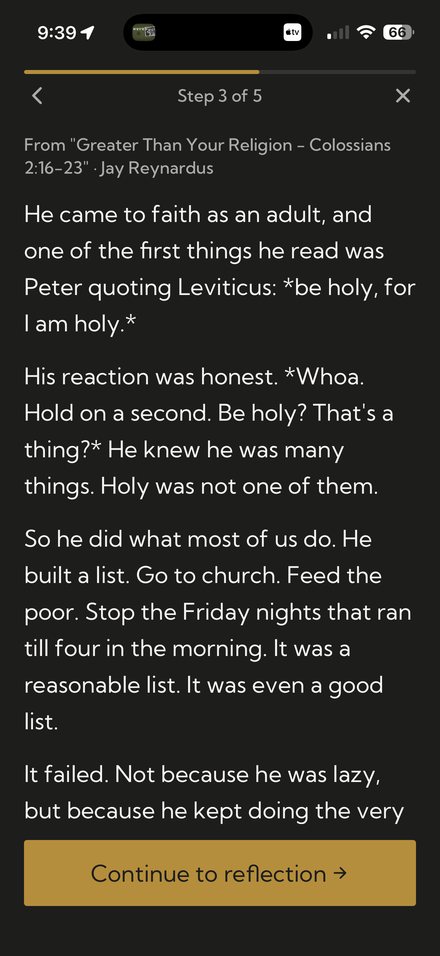
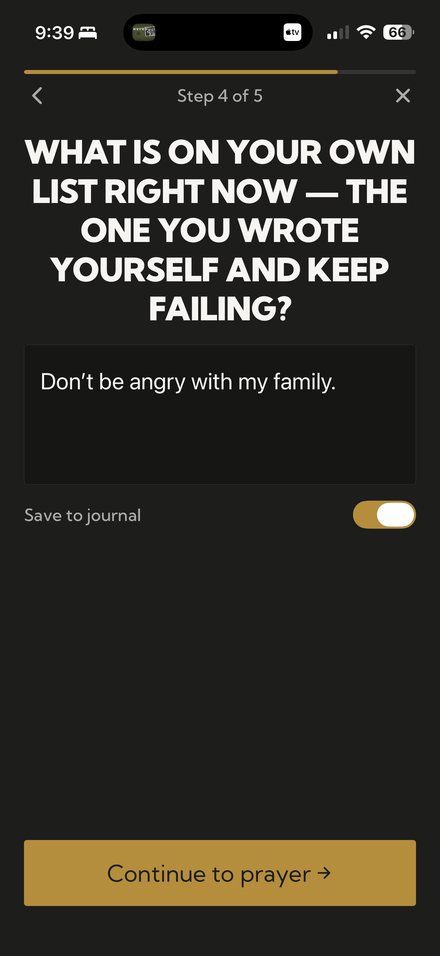
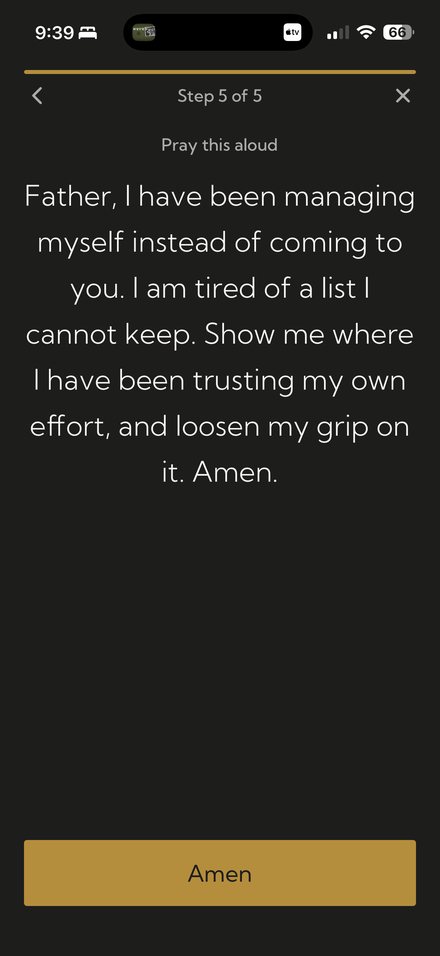
1 OpenMonday, eight minutes. Named from the sermon two days earlier.2 ScriptureScripture, a devotional, and time to sit with it — written from Sunday. “Read it through once more, slowly.”3 DevotionalWritten from Sunday, in the communicator’s own voice.4 ReflectA question, and a journal that stays on the phone.5 PrayA written prayer to say aloud — for the person who does not know how to start.
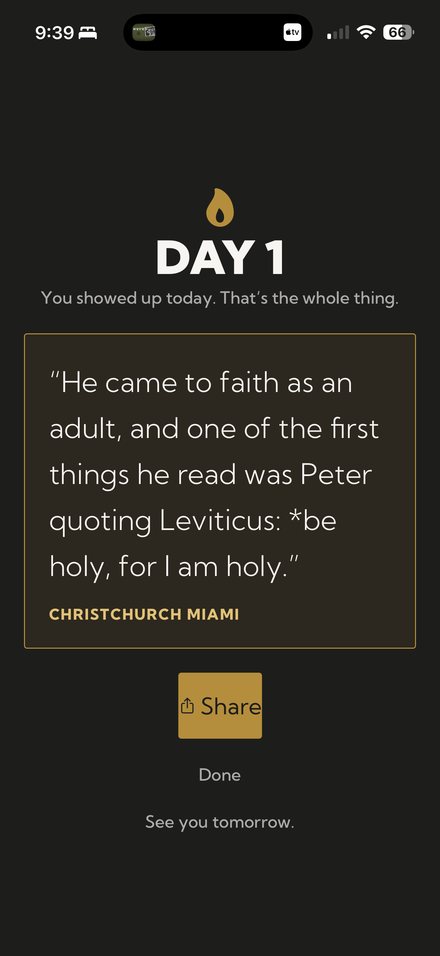
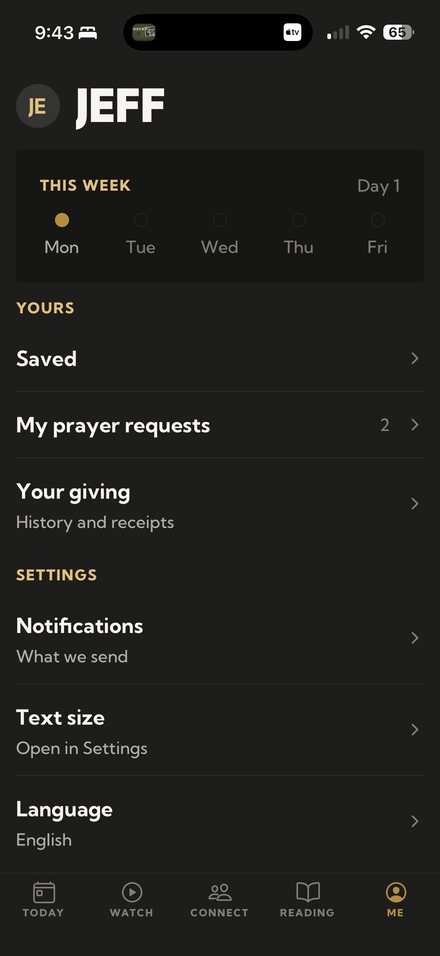
Day 1“You showed up today. That’s the whole thing.” The streak is encouragement, not a scoreboard.Everything in one placeThe week’s rhythm, saved items, giving, and a language switch — plus requests from the church, and a way to say you prayed for one.
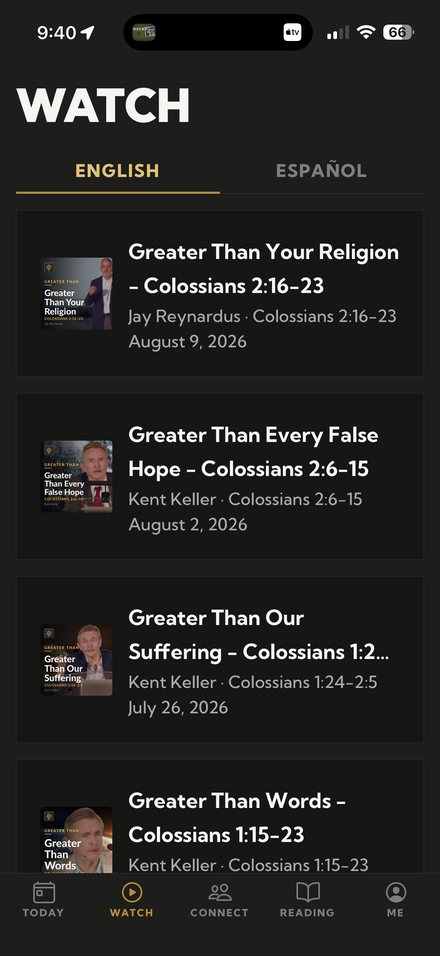
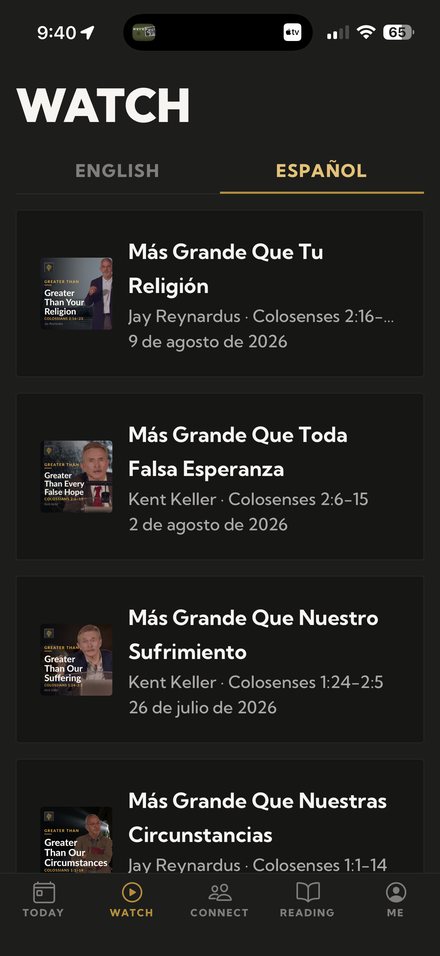
The same week, in Spanish.
Not a translate button on a menu — a second library, adapted, shipping the same week. The
Spanish mirror is the hardest thing on the website to do well, and it carries all the way
into the phone.
EnglishEvery sermon, with the passage and the speaker.EspañolThe same library, the same week. Adapted, not machine-translated.
Concept · September release
Read it with someone
You have read four mornings this week. You can hand one person a key — they see what
you are reading, and you can talk about it.
What they see
The passage you read, and the mornings you showed up.
What they do not see
Anything you write in Reflect. That stays on your phone.
They have to say yes. You can end it at any time, and you never have to say why.
Concept only — this screen has not been built yet.
“a mentor inside the app. that is discipleship, not an app feature”
The point where the daily quiet time stops being solitary. A person reading alone can hand
someone else a key — that is discipleship multiplication expressed as software, and it is
the answer to the objection that digital ministry produces consumers rather than disciples.
Ask it yourself
Every question on this page, answered by the thing itself.
Cairn has read theChurch.digital’s whole corpus — 859 posts, the guides, the EDGE
framework. Ask it what this would look like for a church your size, or what we would do
first. It will tell you when the honest answer is “talk to a person.”
Things worth asking
What would this cost a church our size?
We have no Spanish speakers on staff — can we still do this?
Cairn is also in the corner of this page — the bubble bottom-right. It is free, it does
not ask who you are, and it is not a sales chat.
Digital makes our physical church better.
James Drake · Lead Pastor, Christchurch Miami
The questions pastors actually ask
How much does digital ministry cost a church our size?
Christchurch Miami runs this with no new staff and one part-time contractor. Every build is custom to your church — your processes, your database, your church management system — so the honest answer is that the first conversation is where it gets scoped. The first conversation is free and is not a sales call.
Do we need a big team to publish this much every week?
No. One sermon is the only thing a person writes from scratch. The seventeen pages, both languages and the forty-odd graphics are generated from it and reviewed — not authored separately.
Does online church replace people showing up in person?
Christchurch Miami's experience is the opposite: about 40% of live online viewers are boomer-plus, many of whom cannot attend because of age, health or distance. Digital reached people the room had already lost.
Can we do this in two languages without doubling the work?
Yes — the Spanish is adapted rather than machine-translated, and it ships the same week. Sixteen of the seventeen pages are mirrored; the exception is the complete-service video, which is the English gathering.
What actually goes in a church mobile app?
An eight-minute daily rhythm: Scripture, a devotional, time in prayer, a private journal — and the option to invite a mentor into it. It is the discipleship half; the website is the evangelism half.
How this actually starts
With a conversation, not a contract.
There is no package on this page because there is no package. Every church has different
processes, a different database, a different church management system, a different place
its video lives. The system gets built around what you already run — so the first step is
finding out what that is.
We talk
Thirty minutes with Jeff. What you preach, who runs your digital, what breaks on a Thursday.
We map what you already have
Your ChMS, your database, your video storage, your website. The system adapts to those — you do not replace them.
One sermon, run through it
You see your own message become a week, in your voice, before anyone signs anything.
Bring us one sermon.
We will show you the week it becomes. Not a demo of someone else's church — your message,
your passage, your pastor's voice, run through the system. Everything on this page comes
downstream of that one thing you are already doing. Thirty minutes, no deck — bring the
week you have and we will tell you what could come out of it.